Does my child have ADHD? Signs parents often notice first
Lots of kids lose their shoes, forget homework and bounce off the couch. So how do you know when it's something more? Here's what doctors actually look for, in plain words.
Maybe it was a teacher's comment. Maybe it was the fourth lost jacket this month. Or maybe it's just a feeling you can't shake: mornings with your child feel harder than they seem to be for other families.
Every child is distracted, wiggly and forgetful sometimes. That's part of being a kid. So it's normal to wonder where "just being a kid" ends and something like ADHD begins.
This article won't diagnose your child. Only a professional can do that. But it can help you understand what doctors look for, and what to do with what you're noticing.
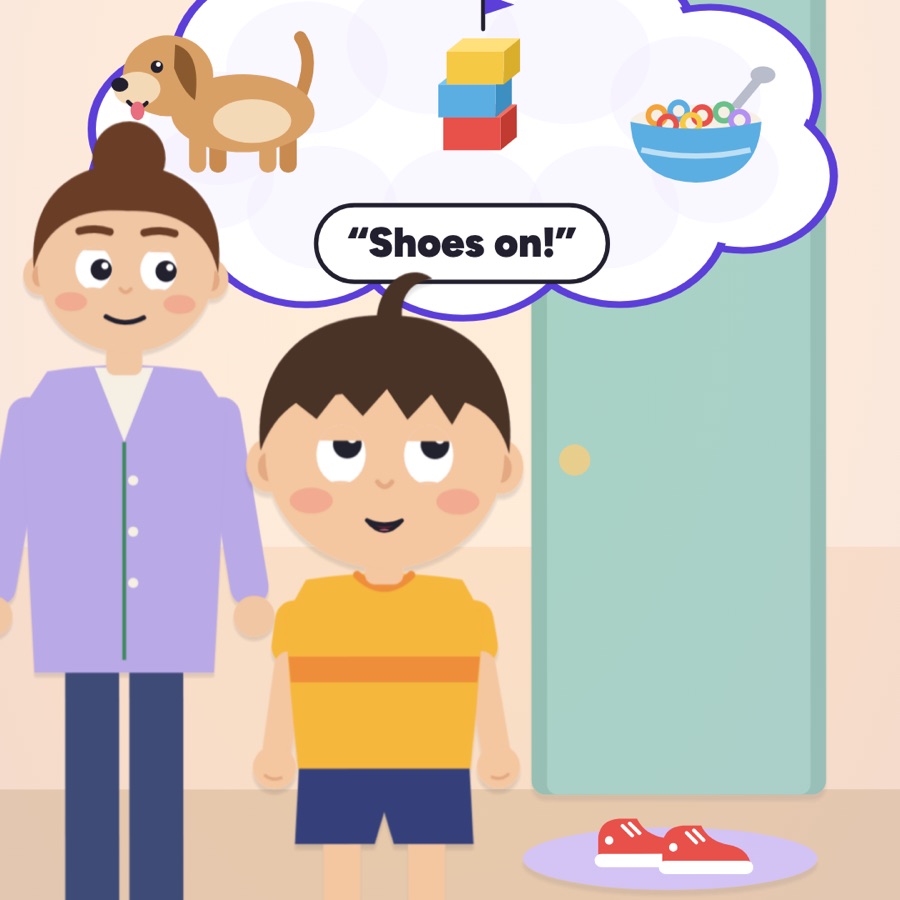
Three kinds of signs
ADHD stands for attention-deficit/hyperactivity disorder. The DSM-5, the manual clinicians use, groups its signs into two main areas: inattention, and hyperactivity-impulsivity. Some children mostly have one kind. Many have both.
Inattention can look like:
- Making careless mistakes in schoolwork
- Seeming not to listen, even when you're speaking right to them
- Starting tasks but not finishing them
- Losing things they need, over and over
- Being easily pulled away by sounds, thoughts or anything else going on
- Forgetting daily things, like packing a lunch or bringing home a folder
Hyperactivity can look like:
- Fidgeting, squirming or getting up when they're expected to stay seated
- Running or climbing at times that don't fit
- Seeming "driven by a motor," always on the go
- Talking a lot
Impulsivity can look like:
- Blurting out answers before the question is finished
- Having a very hard time waiting their turn
- Interrupting conversations or games
Reading that list, you might think, "That's every child I know." And that's the point. These behaviors on their own don't mean ADHD.
What makes it more than "just a kid"
Doctors don't look for one behavior. They look for a pattern. According to the DSM-5 and the CDC, a few things matter:
It happens a lot. Not on one bad day, but often, over months.
It shows up in more than one place. ADHD signs usually appear at home and at school, or with friends, or in activities. If the struggle only happens in one setting, something else may be going on.
It started early. Several signs need to have been present before age 12.
It gets in the way. This is the big one. The signs make daily life harder: schoolwork, friendships, family routines. A child who is busy and loud but doing fine is different from a child who is struggling.
Something else doesn't explain it better. Trouble sleeping, worry, hearing or vision problems, learning differences or big life changes can all look like ADHD. A good evaluation looks at these too.
What it often looks like at home
Parents don't usually describe ADHD in clinical words. They say things like:
- "I have to tell him everything five times."
- "Homework that should take 20 minutes takes two hours."
- "She's so smart, but her report card doesn't show it."
- "Getting out the door every morning is a battle."
- "He doesn't mean to, but he just does things without thinking."
If these sound familiar, it doesn't mean your child has ADHD. But it's a good reason to look closer.
What you can do this week
- Keep a simple log. For one or two weeks, jot down moments that were hard: what happened, when, where. "Tuesday, homework, couldn't start for 40 minutes." Patterns are easier to see on paper, and doctors find notes like this very useful.
- Ask the teacher what they see. A short, friendly email works: "Have you noticed anything about focus or sitting still at school?" Teachers see your child in a different setting, which is exactly what doctors need to know.
- Notice the strengths too. Write down what your child is good at and when things go well. That's part of the picture, and it matters.
- Book a visit with your child's doctor. Bring your notes. The American Academy of Pediatrics guideline says primary care doctors can evaluate ADHD in children from age 4, often using questionnaires filled out by parents and teachers.
What an evaluation looks like
There is no single blood test or brain scan for ADHD. Instead, a doctor or specialist will usually:
- Talk with you about your child's history and daily life
- Ask you and your child's teacher to fill out rating forms
- Check for other things that could explain the signs
- Talk with your child, depending on age
It can take more than one visit. That's normal.
Whatever the answer is
If your child does have ADHD, a diagnosis isn't a label that defines them. It's an explanation, and it opens the door to help that works: support at home, support at school, and, if you and the doctor decide, treatment options to discuss together.
And if it isn't ADHD, you'll still understand your child better. Either way, noticing and asking is a loving thing to do.
Write down what you notice.
CareTec turns your child's routine into steps they can see, one at a time — and shows you what's working.
Build your child's routine →American Psychiatric Association (2013). Diagnostic and Statistical Manual of Mental Disorders (5th ed.).
Wolraich, M. L. et al. (2019). Clinical practice guideline for the diagnosis, evaluation, and treatment of attention-deficit/hyperactivity disorder in children and adolescents. Pediatrics, 144(4).
CDC — Symptoms of ADHD
CDC — Diagnosing ADHD
American Academy of Pediatrics — HealthyChildren.org: ADHD
Published 2026-11-11 · Educational content, not medical advice.