How to work with your child's teacher on ADHD (and what a 504 plan is)
Notes home, lost recess, "not working to potential". If school feels like a running battle, a calm partnership with the teacher can change more than another tense meeting.
Another note in the backpack. "Didn't finish classwork again." "Had trouble staying in his seat." "Can do it when he tries."
It's hard not to read those notes as a verdict, on your child and on you. But the teacher is probably frustrated too. And the two of you want the same thing: a child who can learn and feel good at school.
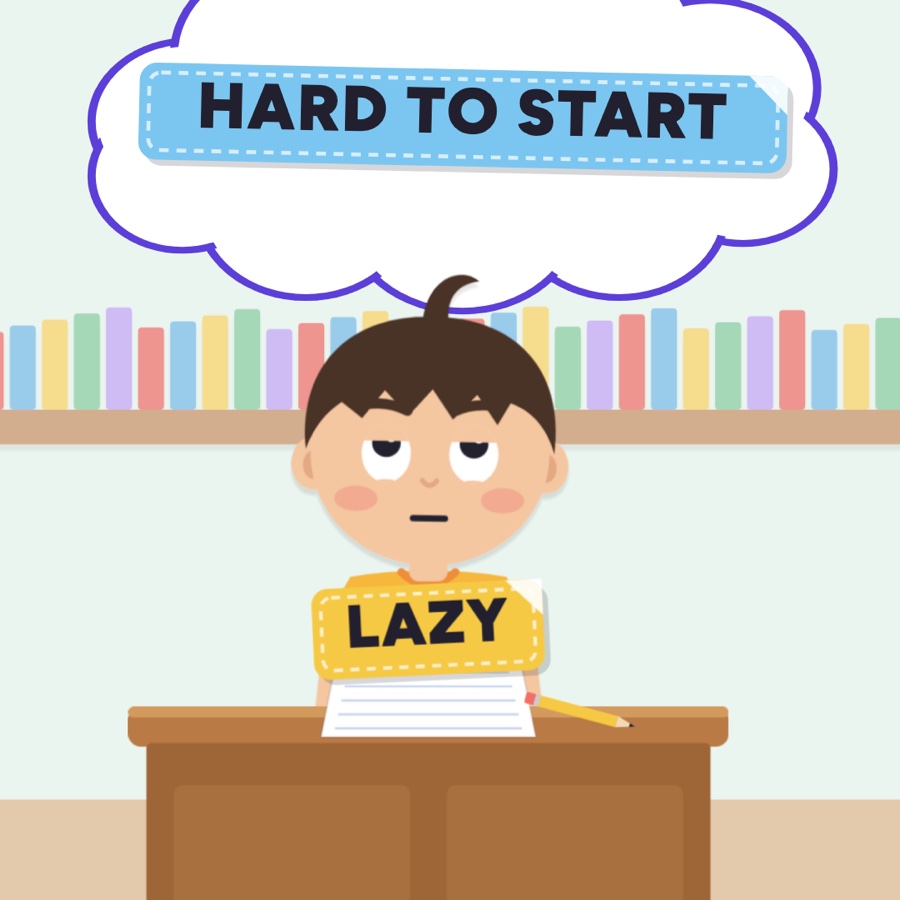
Two views of the same child
You see your child at home: the creativity, the big heart, the hours spent on what they love. The teacher sees them in a room of twenty-plus kids, during the parts of the day ADHD makes hardest: sitting still, waiting, listening to long instructions, finishing boring work.
Neither view is wrong. Both are incomplete. When parents and teachers share what they see, the picture gets clearer, and what helps in one place can often be tried in the other.
The American Academy of Pediatrics guideline on ADHD treats school supports as a core part of care, not an extra. Classroom behavior strategies and the right supports at school matter, alongside whatever happens at home and with the doctor.
Start with a calm conversation
The first meeting sets the tone. A few things tend to help:
- Lead with your child, not the problem. "Here's what lights Maya up, and here's where she gets stuck."
- Share what works at home. "Short steps, one at a time, works much better than a long list." Teachers often welcome a tip that saves them time.
- Ask what they see. "When is it hardest for her? When does it go well?" You'll learn things you can't see from home.
- Agree on one goal. Not ten. One thing to work on together for the next few weeks.
You don't need to arrive with a diagnosis report or a list of demands. You're starting a working relationship.
Keep a simple loop going
One meeting rarely changes much. What changes things is a small, regular loop between home and school.
Some families use a short daily or weekly note: two or three behaviors, each checked yes or no, sent home in the backpack. Research on ADHD in schools, including the work of George DuPaul and Gary Stoner, describes this kind of home-school note as a useful classroom tool. It keeps everyone on the same page, and it lets you praise good days at home, right away.
Keep it positive where you can. A note that only ever brings bad news becomes something your child dreads.
What is a 504 plan?
If your child needs more support than the teacher can informally give, you may hear about a "504 plan". Here's the basic idea, in plain words.
Section 504 of the Rehabilitation Act of 1973 is a US federal civil rights law that protects people with disabilities from discrimination in programs that receive federal funding, which includes public schools. A 504 plan is a written plan that sets out accommodations so a child with a disability, which can include ADHD, can access learning on an equal footing.
Accommodations change how a child learns or shows what they know, not what they learn. Examples families often discuss include:
- seating near the teacher and away from distractions
- extra time on tests or assignments
- movement breaks during long tasks
- instructions given in writing as well as out loud
- a checklist on the desk for multi-step work
Some children need more than accommodations, such as specialized instruction. That's usually where an IEP (Individualized Education Program), under a different law, comes in. The school can explain which may fit your child.
This is general information, not legal advice. The process varies by state and district. Your school's 504 coordinator or school psychologist can walk you through it, and a special education advocate can help if you have questions about your rights.
What to try this month
- Send a short, friendly note. Introduce yourself, share one thing that works at home, and ask for a quick chat.
- Pick one shared goal. For example, starting classwork within a few minutes, or bringing the right folder home.
- Use the same tools in both places. If a visual checklist works for mornings at home, ask whether a similar one could sit on the desk.
- Check in briefly every week. Two lines by email is enough. Celebrate progress, adjust what isn't working.
When home and school use the same steps, your child doesn't have to learn two systems.
When it isn't working
Sometimes, despite everyone's effort, things stay hard. That's a signal, not a failure. Ask for a meeting with the wider school team, and keep your child's doctor in the loop: they can share information with the school, with your permission, and look at the whole picture.
Your child spends a large part of their day at school. Making that place a bit more ADHD-friendly is one of the most useful things you can work on together.
Same steps at home and school.
CareTec turns your child's routine into steps they can see, one at a time — and shows you what's working.
Build your child's routine →Wolraich, M. L. et al. (2019). Clinical practice guideline for the diagnosis, evaluation, and treatment of attention-deficit/hyperactivity disorder in children and adolescents. Pediatrics, 144(4).
DuPaul, G. J., & Stoner, G. — ADHD in the Schools: Assessment and Intervention Strategies (3rd ed., Guilford Press, 2014).
American Academy of Pediatrics — HealthyChildren.org: ADHD
Published 2026-11-08 · Educational content, not medical advice.