ADHD and screen time: why turning off the tablet is so hard
They can't focus on a worksheet for five minutes, but they can play a game for two hours without blinking. Then you say "time's up", and the evening explodes.
Homework: three minutes of focus, then up, then the fridge, then the window. A video game: two hours, perfectly still, completely absorbed.
It's one of the most confusing things about ADHD. And it makes the moment you turn the screen off one of the hardest of the day.
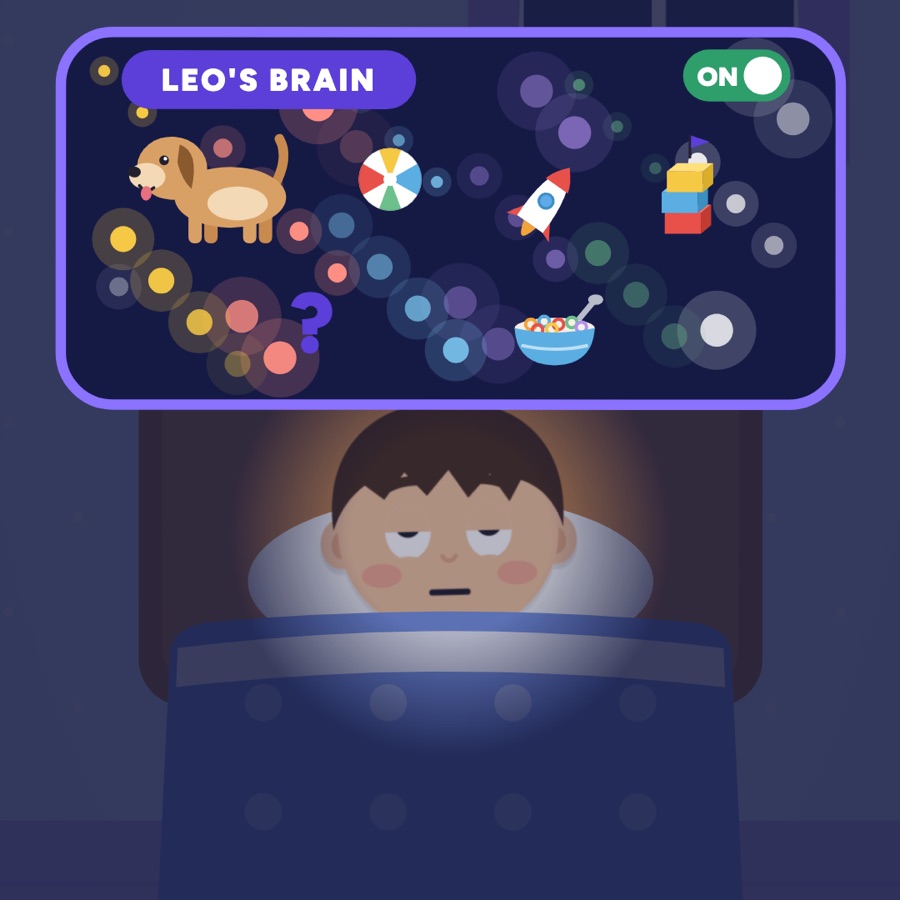
"But they can focus on games"
ADHD isn't really a lack of attention. It's trouble directing attention, especially toward things that are slow, quiet or boring.
Screens are the opposite of boring. Games and videos deliver something new every few seconds: a sound, a point, a level, a surprise. For a brain that struggles to stay with dull tasks, that steady stream of rewards is easy to lock onto. Some people call this "hyperfocus".
So a child who seems unable to concentrate on a worksheet can be deeply concentrated on a screen. Both are true at once. The difference is the task, not the effort.
Why turning it off feels like a loss
When the screen goes off, two things happen together.
First, the reward stops. One second the brain is getting a steady supply of excitement. The next, it's getting a bathroom, a toothbrush and pajamas.
Second, the ADHD brain tends to live in the present. Right now is bright and loud; what comes next feels small and far away. So "turn it off" doesn't feel like a switch. It feels like losing the best part of the day.
Add trouble with transitions and emotions that arrive fast and strong, and you get the classic scene: the countdown ignored, the screen taken away, the tears.
What research says, carefully
It's natural to wonder whether screens cause ADHD. The research is more careful than the headlines.
A 2014 meta-analysis in Developmental Psychology found a small association between media use and ADHD-related behaviors in children and teens. A 2018 study in JAMA followed teenagers over two years and found that frequent digital media use was linked to a modestly higher chance of later ADHD symptoms.
Neither study shows that screens cause ADHD. Associations can run both ways: kids who struggle with attention may also be drawn to screens more. What the research does support is common sense: screen time is worth managing, especially for kids who find it hard to stop.
Screens and sleep
Screens late in the evening make bedtime harder for many children. Bright light and exciting content keep the brain switched on, right when it needs to wind down. Sleep problems are already common with ADHD, so the evening screen is often the first thing worth moving. The American Academy of Pediatrics recommends keeping screens out of the bedroom and turning them off well before bed.
Limits that hold up
The goal isn't zero screens. It's screens with a clear beginning, a clear end and no daily negotiation.
- Decide the rules ahead of time, not in the moment. When, how long, and what comes after. Write them down. The AAP suggests families make a media plan together; the point is that the rule exists before the argument does.
- Make the end visible. A timer your child can see, not just yours. Give a heads-up before the end: "Ten minutes. Then five. Then finish this level."
- End on a natural stopping point. Mid-level is the worst moment to stop. "When this episode ends" or "at the end of this round" is easier to accept than a hard cut.
- Make the next thing concrete. Not "screens off", but "screens off, then snack, then the park." A next step they can picture is easier to move toward.
- Keep screens out of the bedroom. Charge devices in the kitchen overnight. It removes a nightly battle completely.
A screen limit is easier to accept when the end is never a surprise.
When stopping still ends in tears
It will happen, especially at first. Stay calm, use fewer words, and follow through. If the screen comes back after a meltdown, the meltdown becomes part of the routine. Talk about what happened later, when everyone is calm.
If screens are causing constant conflict, or if your child seems unable to stop even when they want to, talk to your child's doctor or a therapist. They can help you build a plan that fits your family.
Make the screen's end visible.
CareTec turns your child's routine into steps they can see, one at a time — and shows you what's working.
Build your child's routine →Ra, C. K. et al. (2018). Association of digital media use with subsequent symptoms of attention-deficit/hyperactivity disorder among adolescents. JAMA, 320(3).
Nikkelen, S. W. C., Valkenburg, P. M., Huizinga, M., & Bushman, B. J. (2014). Media use and ADHD-related behaviors in children and adolescents: A meta-analysis. Developmental Psychology, 50(9).
American Academy of Pediatrics — HealthyChildren.org: Healthy sleep habits
Published 2026-11-07 · Educational content, not medical advice.