ADHD and friendships: how to help your child make and keep friends
Not invited to the party, again. If your child wants friends but keeps losing them, the problem usually isn't kindness. It's the split-second skills ADHD makes harder.
"Nobody wants to play with me."
Few sentences hurt more to hear. Especially when you know your child is funny, generous and full of ideas. So why do other kids pull away?
For many children with ADHD, the trouble isn't wanting friends or being kind. It's the fast, invisible rules of play, the ones most kids pick up without thinking.
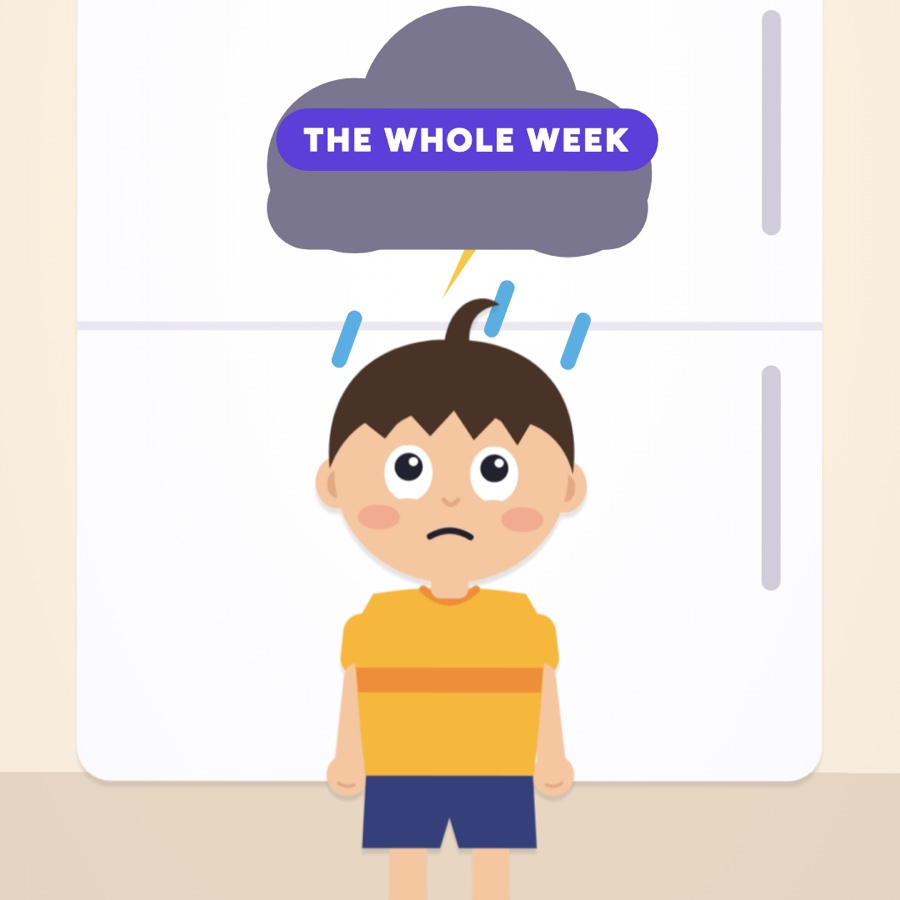
Why friendships can be harder
Research has found that many children with ADHD have a harder time with friendships than their peers. A 2007 review by Betsy Hoza in the Journal of Pediatric Psychology described how often kids with ADHD struggle to be accepted by other children and to keep close friends.
It usually isn't one big thing. It's lots of small moments:
- Interrupting. The idea arrives, and it comes out right now, in the middle of someone else's sentence.
- Taking over the game. Changing the rules, insisting on going first, not waiting for a turn.
- Missing the cues. Not noticing that a friend looks bored, upset or ready to stop.
- Big reactions. Losing a game and exploding, in front of everyone.
- Drifting off. Wandering away mid-conversation, which friends can read as "I don't care".
None of these come from not caring. They come from the same things that make homework and mornings hard: impulsivity, attention, and working memory.
Working memory, again
Conversation is a juggling act. You hold what your friend just said, think of a reply, wait for the gap, and remember the rules of the game, all at once. A 2011 study by Michael Kofler and colleagues linked working memory difficulties in children with ADHD to their social problems.
If your child loses track mid-chat, or forgets the rule everyone agreed on a minute ago, that's not rudeness. Their mental notepad is full.
Set up playdates to succeed
Kids learn friendship by having good experiences with friends. Your job is to make those good experiences more likely.
One friend at a time. Groups are fast and loud. One-on-one is easier to follow, and easier to get right.
Keep it short. Ninety minutes that end well beat four hours that end in tears. Stop while it's still fun.
Plan the activity. Baking cookies, a board game, a trip to the park. Structure means fewer gaps where things go wrong, and fewer arguments about what to do.
Stay nearby. Not hovering, just close enough to step in early, before a small disagreement grows.
Coach before and after, not during
Correcting your child in front of a friend tends to embarrass them. It works better to coach before and debrief after.
Before: pick one thing to practice. "Today, let's try letting Sam choose the first game." Just one.
After: keep it short and warm. "I saw you let Sam go first. He looked really happy." Then, if needed, one gentle idea for next time.
Researcher Amori Mikami and colleagues have studied this approach, training parents to act as "friendship coaches" for children with ADHD. It puts you in a supportive role, helping your child practice skills in real situations rather than just talking about them.
What to try this week
- Invite one friend. Choose a child your child already gets along with, for a short, planned activity.
- Practice one skill at home. Taking turns in a board game, or waiting for someone to finish talking. Family games are great, low-stakes practice.
- Play "what's their face saying?" While watching a show, pause and guess how a character feels. It builds the habit of noticing cues.
- Debrief kindly. After the playdate, one thing that went well, out loud. Then let it be.
Friendship is a skill. Your child can learn it, one good afternoon at a time.
One good friend is enough
Many kids with ADHD don't need to be popular. One or two solid friendships can make a huge difference. It can help to look beyond the classroom too: a sports team, a scout group, an art class, or a club built around what your child loves. Shared interests make connection easier.
When to ask for help
If your child is often left out, is being bullied, or seems sad or withdrawn, talk to their teacher and to your child's doctor. Social difficulties are a real part of ADHD for many kids, and a therapist can help with social skills. You don't have to figure it out alone.
One friend, one good afternoon.
CareTec turns your child's routine into steps they can see, one at a time — and shows you what's working.
Build your child's routine →Hoza, B. (2007). Peer functioning in children with ADHD. Journal of Pediatric Psychology, 32(6).
Kofler, M. J. et al. (2011). Working memory deficits and social problems in children with ADHD. Journal of Abnormal Child Psychology, 39.
Mikami, A. Y. et al. (2010). Parental influence on children with attention-deficit/hyperactivity disorder: II. Results of a pilot intervention training parents as friendship coaches for children with ADHD. Journal of Abnormal Child Psychology, 38(6).
American Academy of Pediatrics — HealthyChildren.org: ADHD
Published 2026-11-08 · Educational content, not medical advice.