"I'm so stupid": when your child with ADHD is hard on themselves
The math sheet goes flying. "I'm so stupid. I can't do anything right." Few things are harder to hear from your child, and few moments matter more for how you answer.
"I'm stupid." "I'm the worst kid in my class." "Everybody hates me."
When these words come out of your child's mouth, the instinct is to fix it fast: "No you're not! You're so smart!" It comes from love. But often it doesn't land. Your child shrugs, or argues, or says it again the next day.
There's a reason for that, and there are better ways in.
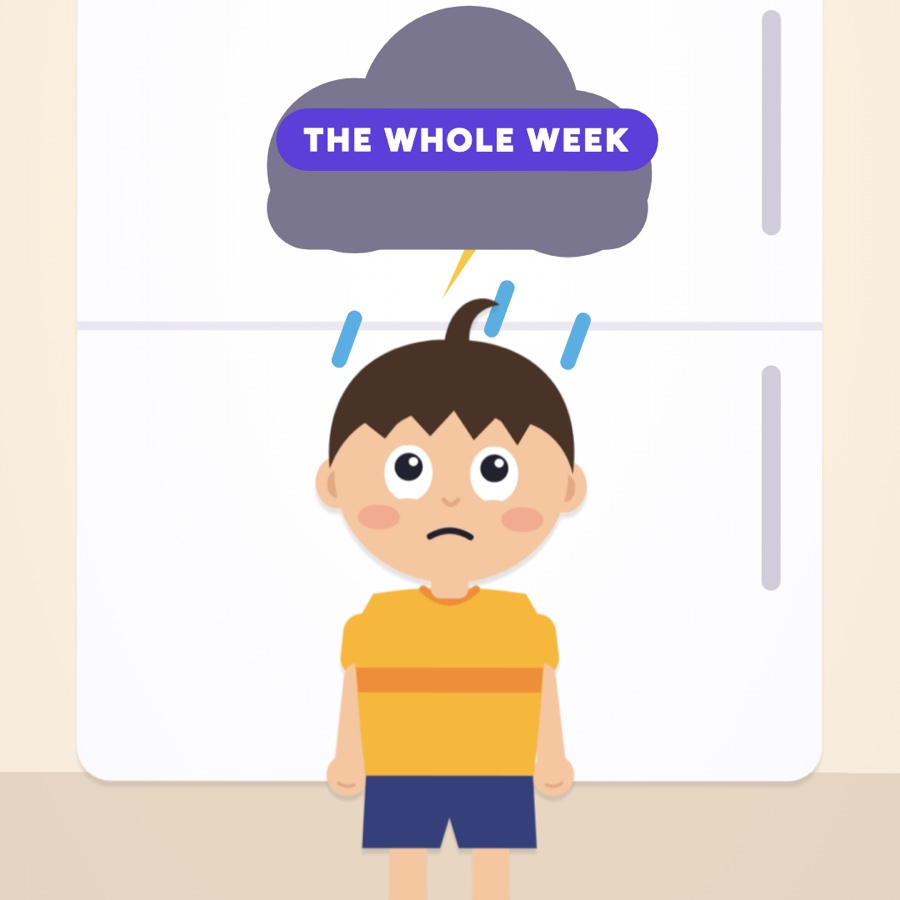
Why kids with ADHD can feel this way
Think about what a typical day can look like for a child with ADHD. "Sit down." "Stop that." "Why didn't you finish?" "You forgot again." Each correction is small. Together, they can add up to a loud message: something is wrong with me.
Many kids with ADHD work just as hard as their classmates, or harder, and still get less done. They see friends finish quickly while they're stuck on the first question. Without an explanation, the easiest conclusion is "I'm dumb."
Psychologist Russell Barkley, in Taking Charge of ADHD, describes ADHD as a problem with doing what you know, not with knowing it. Your child may understand the math perfectly. The struggle is staying with it long enough to show it.
Why "you're so smart" often doesn't work
When your child feels stupid, hearing "you're so smart" can sound like you don't understand. They know what just happened. Arguing with their feeling can make them feel more alone.
There's another reason. In a well-known set of studies published in 1998, Claudia Mueller and Carol Dweck found that children praised for being smart were more likely to avoid challenges and give up after a setback than children praised for their effort. Praise that focuses on what a child does gives them something they can repeat.
Listen first
Before you reassure, slow down. Try reflecting what you hear:
"That sounds really frustrating. You worked on it and it still feels hard."
This isn't agreeing that they're stupid. It's showing that you see how they feel. Many kids calm down a little just from being heard.
Then separate the struggle from the child
Help your child see that the hard thing is the task, not who they are.
"You're not stupid. This kind of problem is hard for your brain right now. That's different."
If your child knows about their ADHD, you can link it: "Remember how your brain is a fast race car? Long worksheets are hard for race cars. Let's split it up."
Make progress visible
Kids with ADHD often don't remember their wins. Last week's good day fades. Yesterday's hard moment feels like forever.
So keep proof. A "wins" jar, a list on the fridge, a photo of the Lego model they finished. When a hard moment comes, you can look at it together: "Remember when reading felt impossible? Look what you read this month."
What to try tonight
- Reflect before you reassure. Name the feeling first: "That was really frustrating." Then wait a beat.
- Praise one effort, specifically. "You kept going on that last question even when you wanted to quit." Specific beats general.
- Start a wins list. Write down one thing your child did well each day, however small. Read it back at bedtime.
- Watch your own words. Try not to say "you always" or "you never." Kids with ADHD hear those words and believe them.
Find what they're good at
Self-esteem grows from doing things well. Look for an activity where your child can shine: drawing, sports, music, building, cooking, caring for animals. A place where they feel capable can balance out the places where they struggle.
When to look closer
Every child has bad days. But if your child talks about themselves this way often, seems sad most of the time, loses interest in things they used to love, or says they wish they weren't here, talk to your child's doctor right away. These can be signs that your child needs more support, and help is available.
Help your child see their effort.
CareTec turns your child's routine into steps they can see, one at a time — and shows you what's working.
Build your child's routine →Mueller, C. M., & Dweck, C. S. (1998). Praise for intelligence can undermine children's motivation and performance. Journal of Personality and Social Psychology, 75(1).
Barkley, R. A. — Taking Charge of ADHD (4th ed., Guilford Press, 2020).
American Academy of Pediatrics — HealthyChildren.org: ADHD
Published 2026-11-10 · Educational content, not medical advice.