ADHD and anxiety in kids: how they look alike, and how to help with both
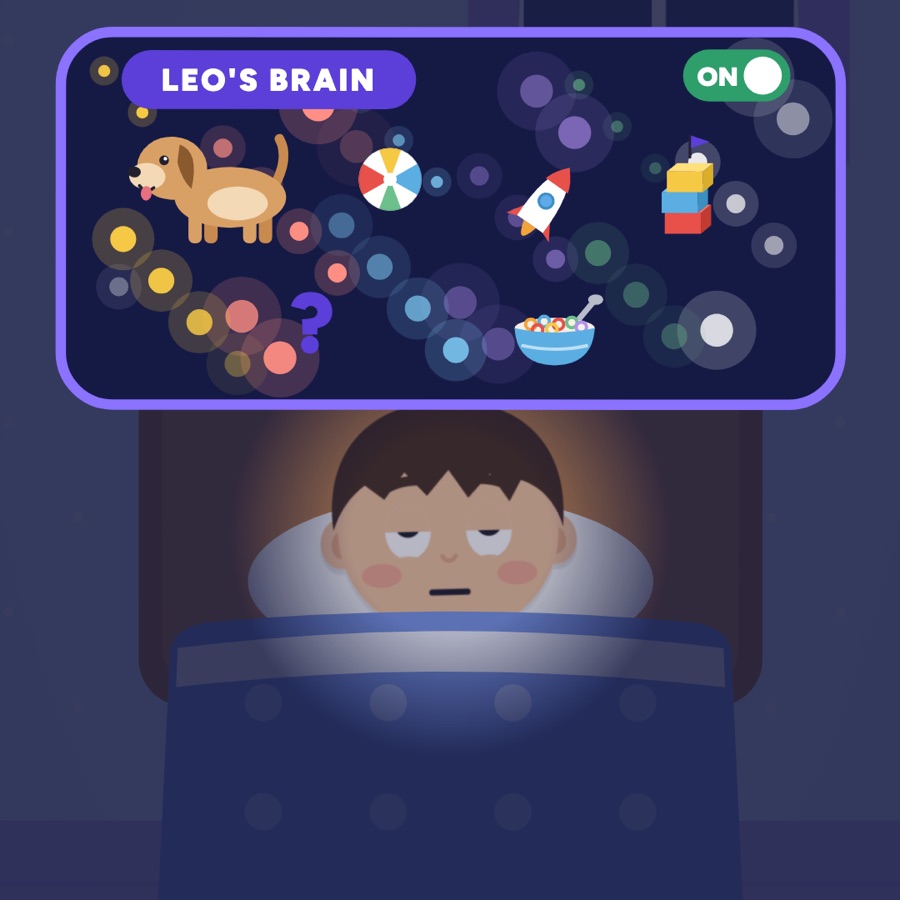
Your child can't focus, can't sit still and can't fall asleep. It sounds like ADHD. But it can also sound like worry. And for many kids, it's a bit of both.
Your child fidgets through dinner, can't get started on homework, and lies awake long after lights out. You might think: that's the ADHD.
And maybe it is. But sometimes, under the restlessness, there's something else going on. A worry about a test. A fear of getting in trouble again. A knot in the stomach every Sunday night.
ADHD and anxiety often travel together. And they can look surprisingly alike.
They often show up together
In 2018, Melissa Danielson and colleagues published results from a large national survey of U.S. families. Many children with ADHD also had at least one other condition, and anxiety was among the most common.
So if your child has ADHD and also seems worried a lot, it's worth paying attention. It doesn't mean you missed something. It just means there may be more to the picture.
Why they're easy to mix up
From the outside, ADHD and anxiety can look the same:
- Trouble focusing. With ADHD, attention drifts. With anxiety, attention gets pulled toward worries.
- Restlessness. A child with ADHD may fidget because their body needs to move. An anxious child may fidget because they feel tense.
- Trouble sleeping. An ADHD brain may stay switched on at night. An anxious brain may replay worries.
- Avoiding tasks. A child with ADHD may avoid homework because it's hard to start. An anxious child may avoid it because they're afraid of getting it wrong.
That's why it's important to have a professional look at the whole picture, rather than guessing.
How ADHD can feed worry
For many kids, ADHD itself can lead to worry. Imagine forgetting your homework again, being told to "pay attention" ten times a day, or never knowing when you'll get in trouble next.
Over time, some children start to feel nervous about school, about making mistakes, or about letting people down. The worry grows from real experiences.
Signs your child might be worried
Anxiety in kids doesn't always look like fear. The CDC and NIMH describe signs such as:
- Asking "what if" questions over and over
- Stomachaches or headaches, especially before school
- Needing a lot of reassurance
- Avoiding places, people or activities
- Getting upset over small changes in plans
- Trouble sleeping, or not wanting to sleep alone
- Irritability or meltdowns that seem to come from nowhere
What helps at home
Name the worry. Kids with ADHD often feel things quickly and strongly, but don't always have the words. Help them: "It sounds like you're worried about the spelling test tomorrow." Naming a feeling can make it feel smaller.
Make the unknown more known. Worry grows in uncertainty. Visible routines, a picture schedule, or a quick look at tomorrow's plan can help an anxious ADHD brain feel safer.
Break scary tasks into small steps. Big, vague tasks can feel overwhelming. "Study for the test" becomes "Read the first five words together."
Keep your own voice calm. Kids notice how we react. A calm "We'll figure it out" can help more than a long talk.
What to try this week
- Set up a "worry time." Pick ten minutes each day, not right before bed, when your child can tell you their worries. If one pops up at another time, write it down together and save it for worry time.
- Try a "worry box." Your child writes or draws a worry and puts it in a box. It's a small, physical way of saying "I don't have to hold this right now."
- Practice calm breathing together. Slow breaths in through the nose, out through the mouth. Practice when things are calm, so it's easier to use when things aren't.
- Preview the hard parts of tomorrow. At dinner, talk through one thing that might feel tricky tomorrow and make a simple plan for it.
When to talk to the doctor
If worry is getting in the way of school, sleep, friendships or family life, talk to your child's doctor. It can help to say exactly what you see: "She has stomachaches every school morning" or "He asks the same what-if questions every night."
Anxiety and ADHD can both be helped, and a good plan takes both into account. Any questions about treatment, including medication, are best discussed with your child's doctor.
Your child isn't "too much." Their brain is working hard, sometimes on two fronts at once. With support, both can feel lighter.
Give the worry a time and place.
CareTec turns your child's routine into steps they can see, one at a time — and shows you what's working.
Build your child's routine →Danielson, M. L. et al. (2018). Prevalence of parent-reported ADHD diagnosis and associated treatment among U.S. children and adolescents, 2016. Journal of Clinical Child & Adolescent Psychology, 47(2).
CDC — Anxiety and depression in children
NIMH — Anxiety disorders
NIMH — Attention-Deficit/Hyperactivity Disorder
Published 2026-11-11 · Educational content, not medical advice.